
 (310) 880-7575



Scratches and scuffs
Light scratches and scuffs are sanded and refinished, then blended into the surrounding paint.
What shapes the estimate
- How deep the scratch goes.
- The size of the area.
- The color and finish of your car.
Get your free estimate







Paint is the part of a repair people notice most. A repaired panel only looks finished when its color, gloss and texture sit naturally next to the paint around it.
Our paint work covers repaired and replacement panels, bumpers and full-panel refinishing after collision damage. We start from your car's paint code and use a computerized color-matching system, then blend the new paint into adjacent panels where the finish calls for it.
Pick the case that sounds like yours. The estimate confirms the details after we see the car.
Five steps from bare panel to finished paint.

We inspect the panel, repair any damage underneath, then sand and clean the surface so the paint can bond.

We start from the paint code and use a computerized color-matching system, then check the mix against the car's existing paint.

Primer goes on where the repair needs it, and nearby trim, glass and panels are masked.

Color goes on in controlled coats, followed by clear coat for gloss and protection.

We check the finish and fit of the refinished panels before we return your car.
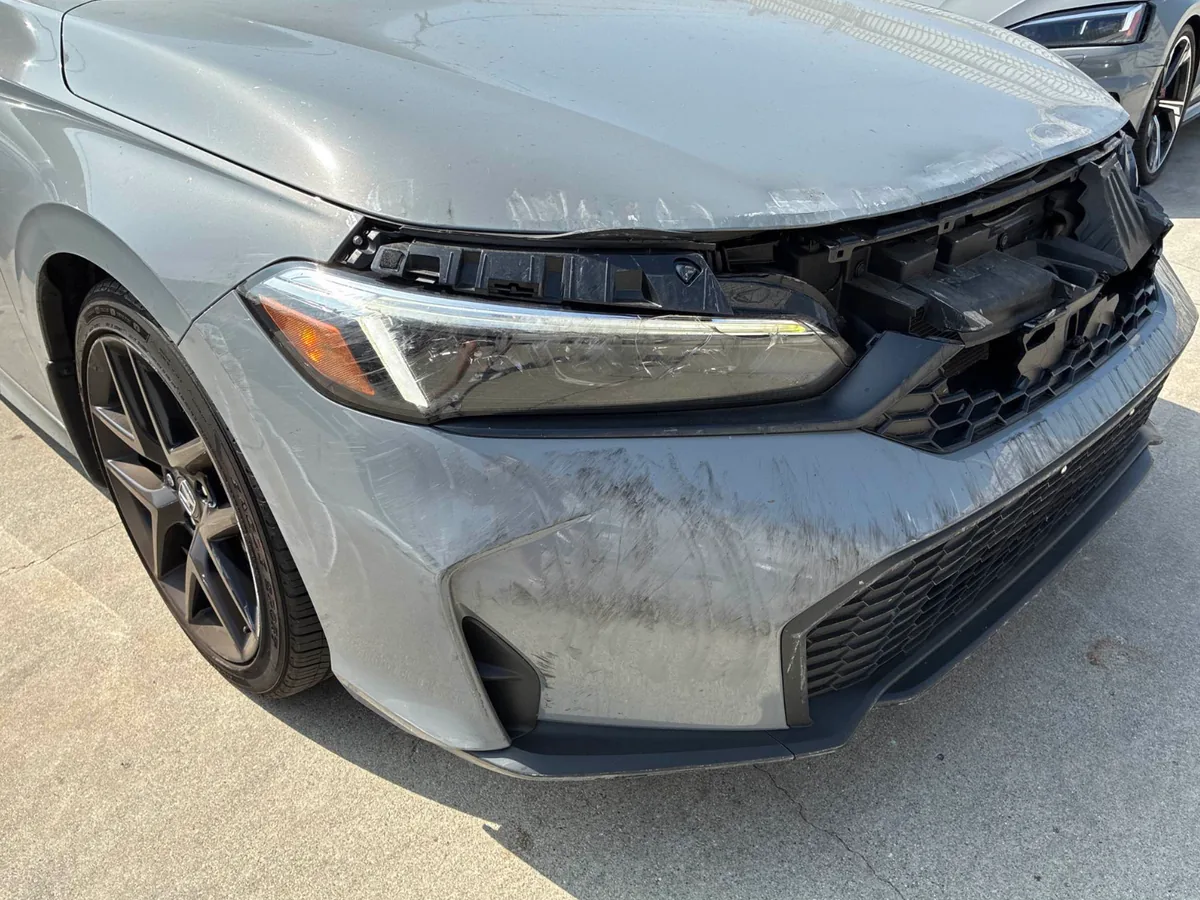
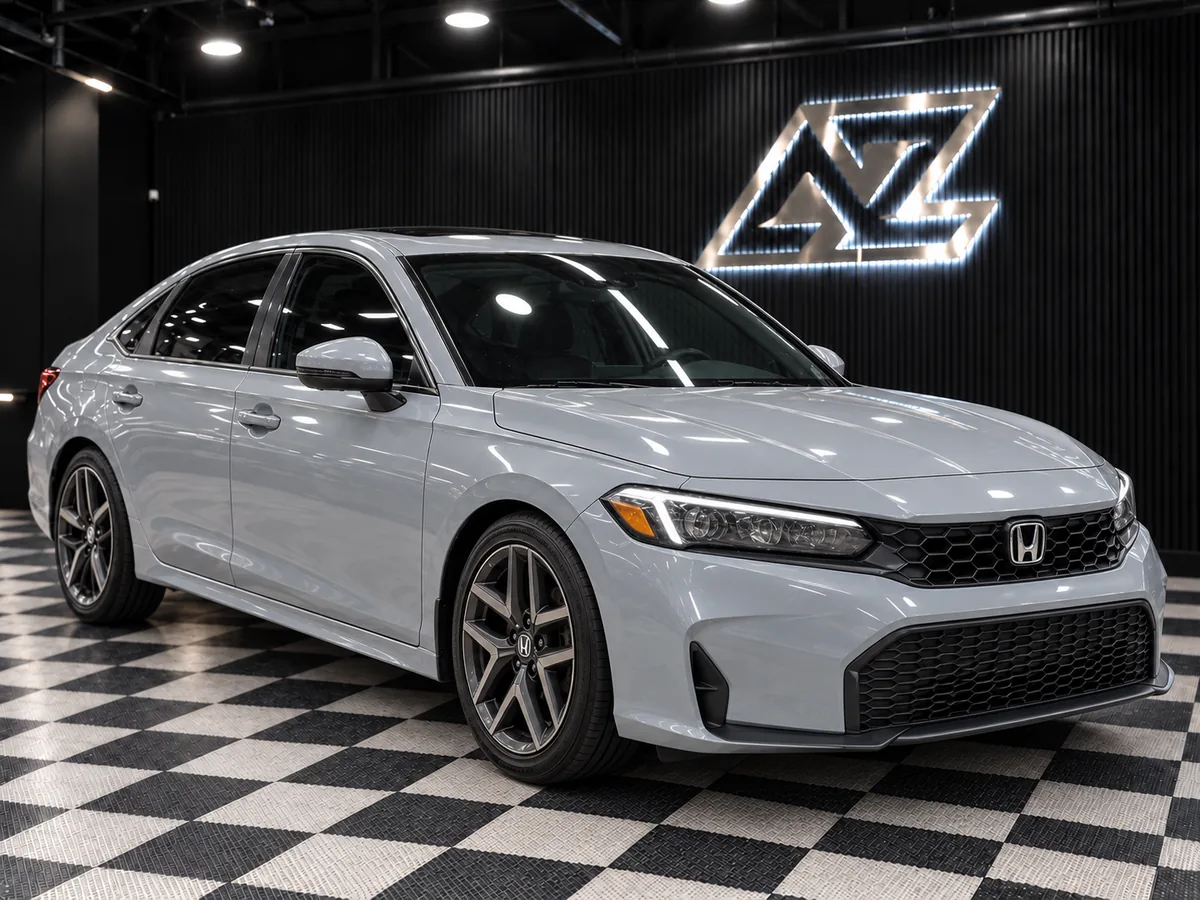
Honda. Drag to compare.
A modern automotive finish is a system of layers, and each layer has a job. Refinishing a panel means rebuilding that system so it looks and wears like the paint around it.
Most paint problems start under the paint. Dents, sanding marks and dirt show through if the surface is not prepared well, so the work before the spray gun gets the most time.
Your car's color is more than the name on the paint code. Sun, weather and age change paint over time, so a color mixed straight from the code can look slightly different next to an older panel.
Blending fades new paint into the neighboring panel so there is no hard line where the repair stops. We blend when the color or finish calls for it.
A color base coat followed by clear coat. This is the most common finish on cars today.
A base coat, a mid coat for effects such as pearl, and clear coat. These finishes take more steps to match.
Bumpers and other plastic parts need preparation suited to the material. Metal panels are prepared for bonding and corrosion protection.
Every car is different, so the estimate comes after we see it. The main factors are:
Final scope can change after an in-person inspection or disassembly.
Wash the car by hand with a gentle soap and avoid harsh chemicals while the new paint settles. Ask us for care guidance when you pick up your car.
We serve drivers from Culver City, West Adams, Mid-City, Beverly Hills, Santa Monica, and West Hollywood.
We handle the paperwork and communication with your insurance company so you don't have to.
Whether it's a domestic daily driver or a luxury import, we have the tools to fix it right.
A computerized color-matching system reads your factory color code, and we blend adjacent panels for a uniform finish.
Help with towing and rental cars where available, and a full detail before pickup.
"Someone backed into me and scratched up my bumper, and they repaired it like it never happened. The paint match is absolutely perfect you honestly can't even tell it was ever damaged."
"Art, Vinh & Arman were great to work with. They were very informative throughout the claim process, called and updated me often and made sure the process was effortless. They even delivered the car to my house! White glove service!"
 Hovo Bogaryan
"Not only was Vinh incredibly kind, patient, and knowledgeable, he walked me through every step of the process. […] Upon pickup, my car truthfully looks better than it did before the accident!"
 Annie S.
We start from your car's paint code and use a computerized color-matching system, then blend the new paint into the surrounding panels so the finish looks uniform.
We refinish the panels the repair requires and blend adjacent panels when the finish calls for it. If you want more than the repair needs, ask at the estimate.
Yes. We repair and refinish bumpers, including scuffs, cracks and dents.
If the paint work is part of a collision claim, we work with your insurance company and help with the paperwork. Coverage depends on your policy.
Timing depends on the number of panels, the repair needed underneath and parts availability. We give you a schedule once we have inspected the car.