How Dent Repair Works
The right method depends on the panel material, severity of the dent, and condition of the surrounding paint. Our technicians first determine how much reshaping the panel needs and if the damaged section can be restored within the vehicle manufacturer's repair guidelines.
Reshaping the Panel
Using appropriate metalworking tools, we gradually restore the damaged contours. Shallow dents may require relatively minor correction, while sharp creases and stretched metal can demand more extensive work.
Filling and Smoothing
After straightening, small imperfections may remain in the metal. We apply body filler where necessary, shape the surface, and sand it smooth before applying primer. Proper preparation helps the repaired area retain consistent contours beneath the paint.
Refinishing
Our paint team uses a computerized color-matching system to prepare the finish. Depending on the repair area and vehicle color, we refinish the repaired panel and blend adjacent areas when needed for a consistent appearance.
Types of Dents We Repair
- Door dings: Small dents caused by parking-lot impacts, neighboring car doors, and shopping carts.
- Creases: Sharp indentations that can stretch metal or distort a panel's original shape.
- Fender and quarter-panel dents: Damage along wheel arches, curved surfaces, and exterior body lines.
- Bumper dents: Impact damage to painted bumper covers, sometimes accompanied by cracks or damaged attachments.
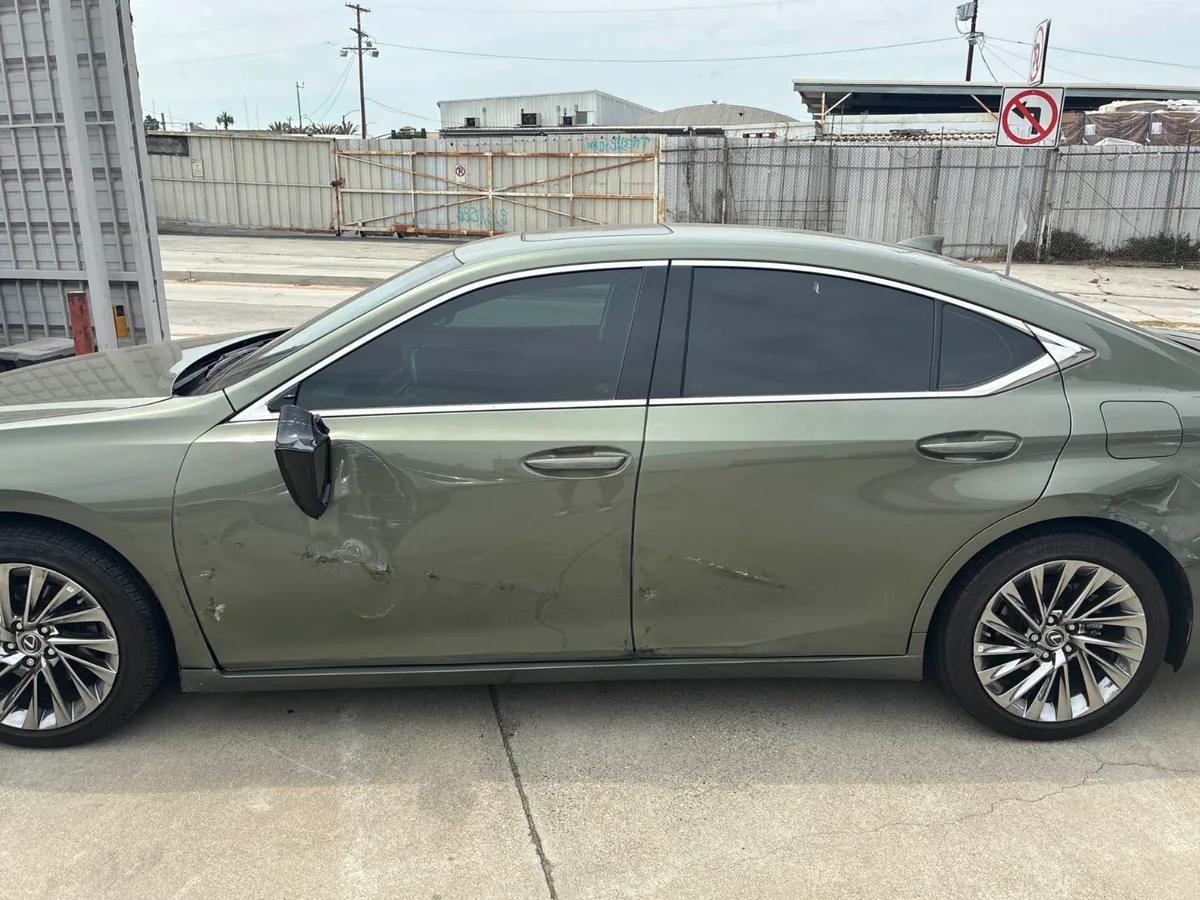
- Collision dents: Larger or more complex damage involving one or several exterior body panels.
Steel and Aluminum Panels
Steel and aluminum require different repair methods. Steel panels vary in strength and repairability, while aluminum can become harder to reshape after an impact. The dent's location, the material grade, and the manufacturer's procedures all influence the repair.
Our technicians assess these factors before beginning car dent repair, especially on aluminum body panels and areas near reinforced structures. Some damaged sections are better replaced than straightened.
When a Panel Is Replaced Instead
Not every dent can be repaired without compromising the panel's condition. Severe creases, torn metal, damaged mounting points, or excessive stretching can make replacement a better option. Manufacturer restrictions may also prevent certain repairs.
We explain the repair-versus-replacement decision in the estimate, including the parts and refinishing required to restore the affected area.
What Affects Car Dent Repair Cost and Timing
The cost and duration depend on the extent of the damage and the work needed to restore the panel. We consider:
- The number, size, and depth of the dents.
- The location and accessibility of each damaged area.
- The panel material and permitted repair methods.
- The need for paint preparation, color matching, and refinishing.
- Replacement parts or additional damage discovered during inspection.
A small dent confined to one panel generally requires less work than a sharp crease involving multiple body sections. We provide a free estimate after assessing the damage and explain any additional work identified during disassembly before proceeding.

 (310) 880-7575