How Bumper Cover Repair Works
We inspect the cover and its attachment points before deciding which parts can be repaired and which need replacement.
Cover and Mounting Inspection
Our technicians check the damaged plastic, bumper brackets, retainers, and surrounding panel gaps.
Repair or Replacement
Suitable damage can be repaired using approved methods. Severely damaged covers or restricted sections require replacement.
Fit and Paint
After the bodywork, we restore bumper alignment and apply the appropriate paint finish.
Cracked Bumper Repair or Replacement
Cracked bumper repair may be suitable for damage in areas approved for plastic repair. Cracks near mounting points, radar-sensitive zones, or manufacturer-restricted sections may require a replacement bumper cover.
We'll check the damage location and applicable repair limits before recommending either option.
Damage Behind the Bumper Cover
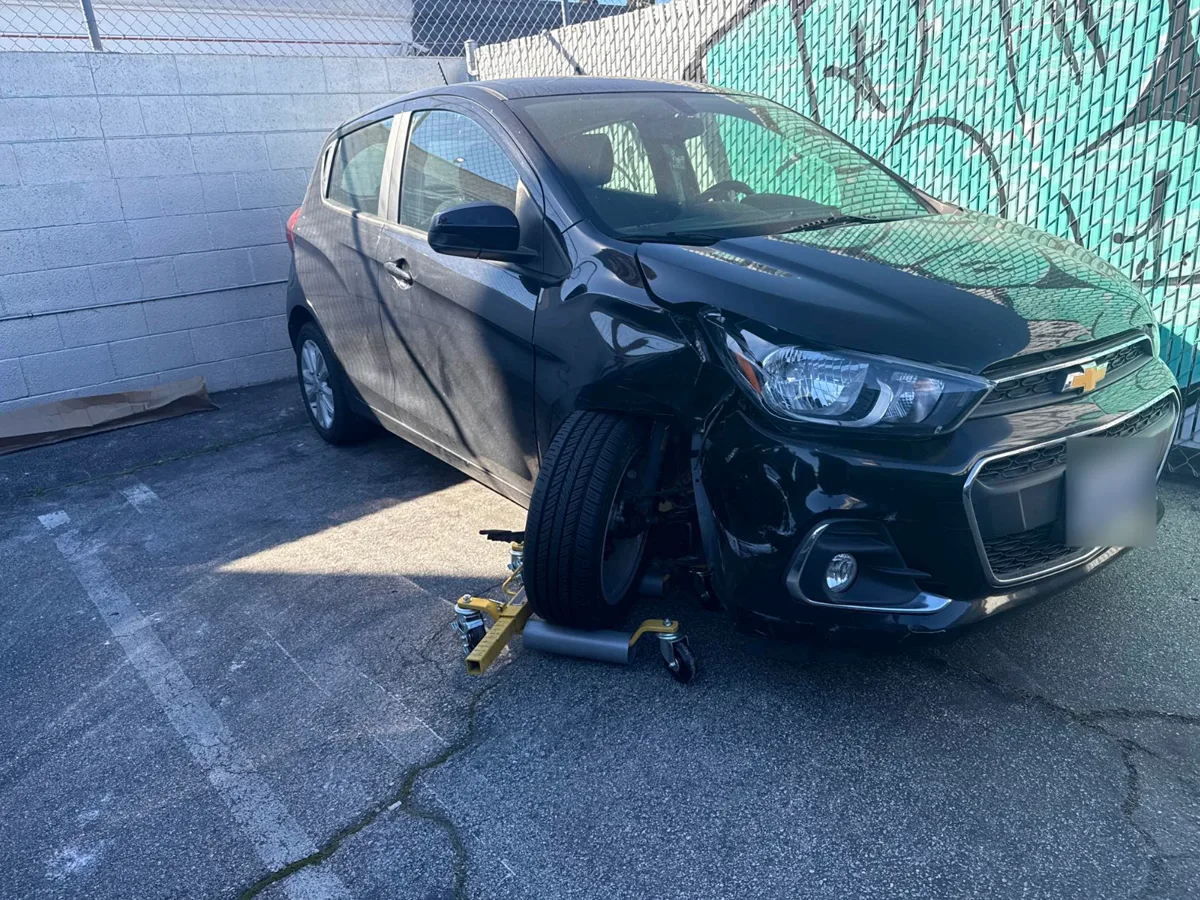
The painted bumper cover is only the visible part of the assembly. A stronger impact can also damage the energy absorber, reinforcement bar, brackets, or supporting bodywork.
We check the affected components and identify repairs that go beyond the exterior plastic.
Bumpers With Parking Sensors and Radar
Modern bumpers may contain ultrasonic parking sensors or cover radar equipment used for driver assistance. Certain repairs and paint applications are restricted around these components.
We check the vehicle-specific requirements and identify any necessary sensor inspections or ADAS calibration before completing the repair plan.
What Affects Bumper Repair Cost and Timing
The estimate depends on:
- Crack, dent, or scratch severity.
- Repairable damage versus bumper replacement.
- Broken clips, brackets, and mounting points.
- Damage to components behind the cover.
- Paintwork, sensors, and parts availability.
Some hidden damage becomes visible only after the bumper is removed. We'll explain any additional repairs identified during disassembly before proceeding.

 (310) 880-7575