How ADAS Calibration Works
Advanced Driver Assistance Systems use cameras, radar, and electronic controls. Calibration checks their required aiming or operating parameters after relevant repairs.
Identify the Required Procedure
The manufacturer specifies calibration requirements for the vehicle, equipment, and repair operations performed.
Static or Dynamic Calibration
Some systems require stationary targets and specialized equipment. Others use a prescribed driving procedure. Certain vehicles require both.
Calibration Verification
The completed work may include diagnostic checks, recorded calibration results, and additional system verification.
ADAS Calibration After Windshield Replacement
Forward-facing cameras commonly use mounts near the windshield. Replacing the glass or disturbing the camera can require recalibration, depending on the manufacturer.
We identify windshield camera calibration requirements and any additional glass or mounting work that must be completed first.
Radar Calibration After Bumper Repair
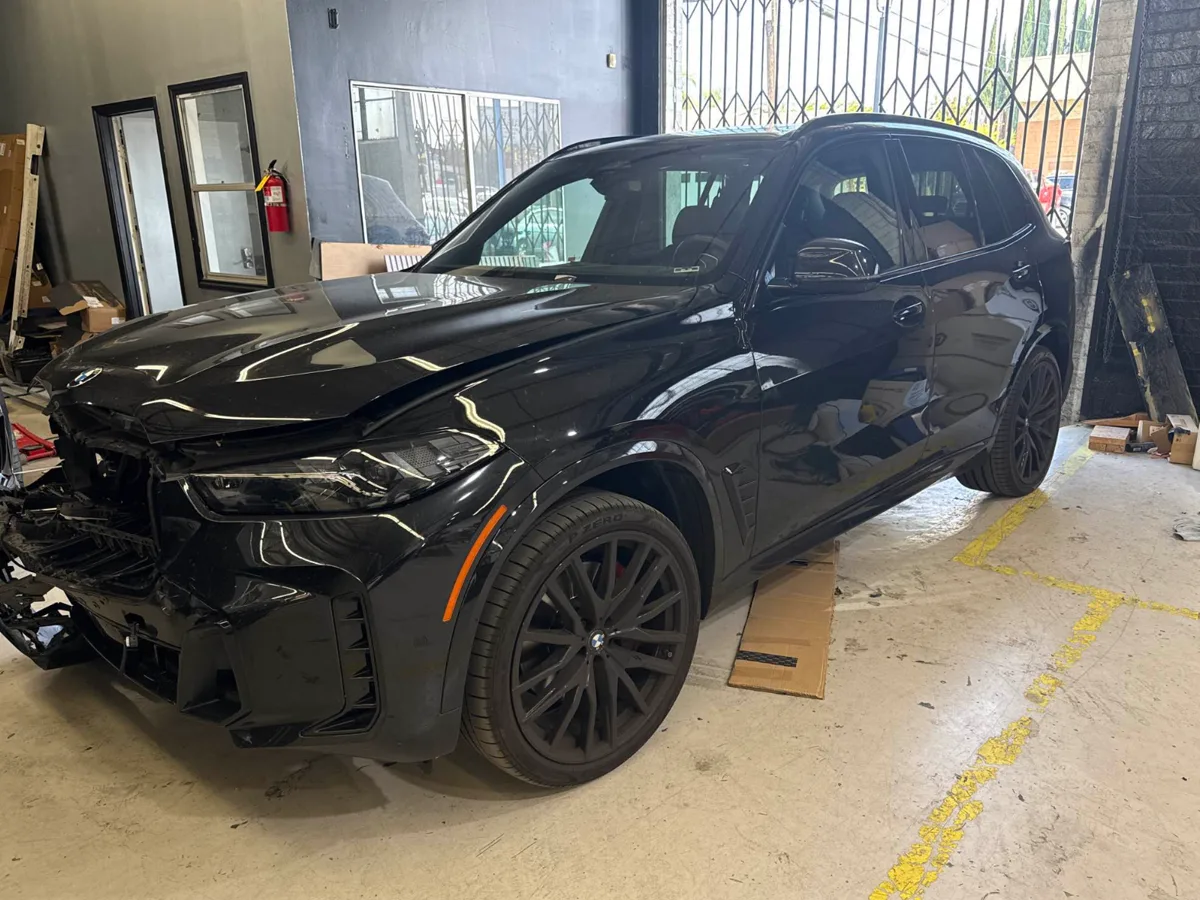
Radar modules may be installed behind bumper covers, grilles, or exterior trim. Damage to a bracket or sensor position can affect the required alignment.
Our post-collision ADAS calibration planning accounts for the actual mounting location and the manufacturer's repair and refinishing restrictions.
Diagnostic Scanning vs. Calibration
A diagnostic scan checks vehicle-system information and stored fault codes. Calibration performs a separate aiming or initialization procedure.
A clean scan does not automatically confirm correct camera or radar alignment. We review the specific repair operations before determining the necessary checks.
What Affects ADAS Calibration Cost and Timing
The estimate depends on:
- The systems requiring calibration.
- Vehicle make, model, and equipment.
- Static, dynamic, or combined procedures.
- Sensor or mounting damage.
- Related diagnostics and repair requirements.
We explain the applicable work and scheduling requirements before proceeding.

 (310) 880-7575