How Car Frame Straightening Works
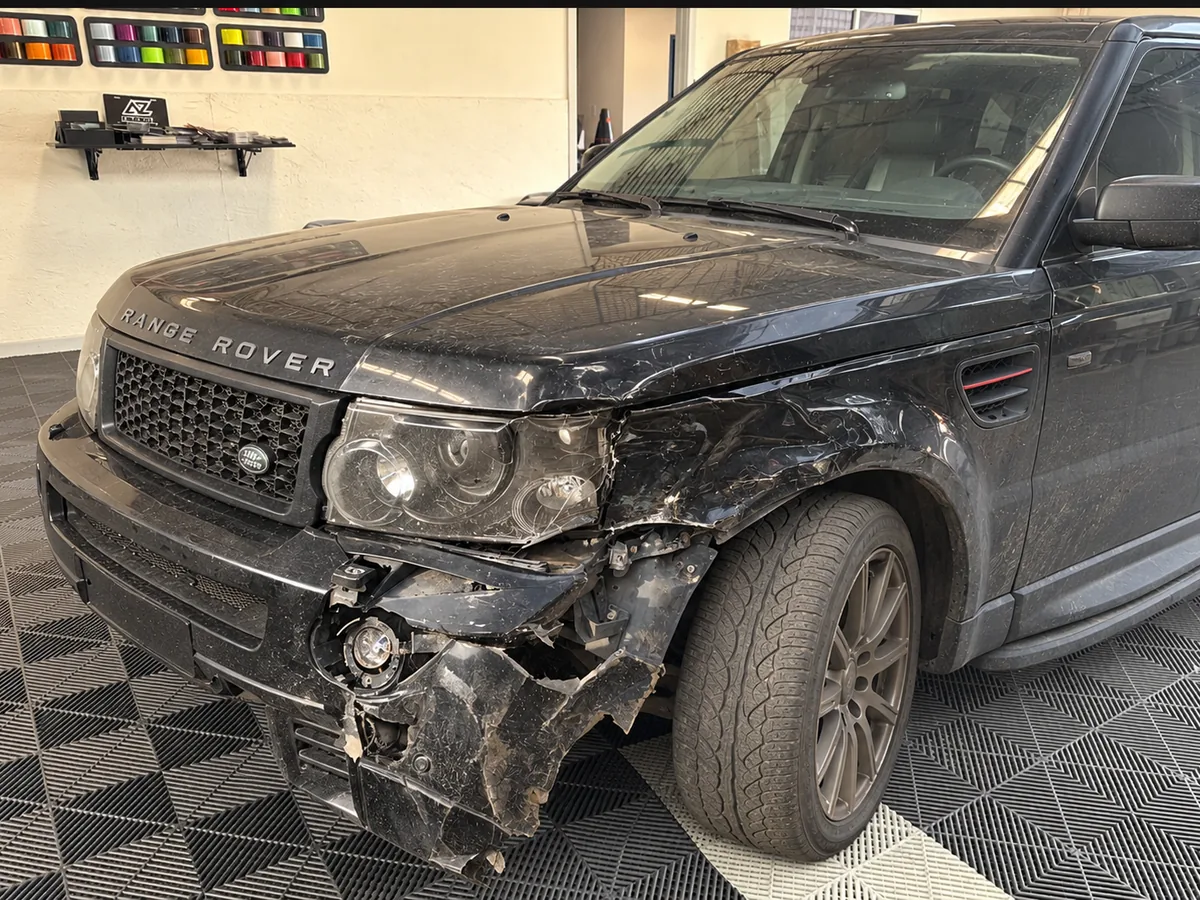
Structural measurements establish which sections have moved and how the damage can be corrected.
Structural Measurement
We use appropriate measuring equipment and vehicle reference points to identify deformation.
Frame Correction
Where manufacturer procedures permit straightening, controlled correction is used to restore specified dimensions.
Final Verification
After structural work, we check the repaired areas against the required dimensions and identify any further inspections.
Unibody Repair and Body-on-Frame Vehicles
Unibody repair involves structural sections integrated into the vehicle's body. Many pickups and some SUVs use a separate frame. We select measurement and repair methods according to the construction of the affected vehicle.
Frame Rails and Mounting Points
Frame rail repair depends on the damage location, material, and manufacturer instructions. We inspect affected rails, crossmembers, and mounting areas to identify straightening or replacement requirements.
When Structural Parts Need Replacement
Some high-strength steel, aluminum, and reinforced structural components cannot be straightened under manufacturer procedures. We identify these restrictions and include the required replacement work in the estimate.
What Affects Frame Repair Cost and Timing
The estimate depends on:
- The location and extent of structural damage.
- Vehicle construction and damaged materials.
- Measurement and repair requirements.
- Straightening versus replacement.
- Parts availability and related repairs.
We review the scope and estimated schedule after assessing the vehicle.

 (310) 880-7575