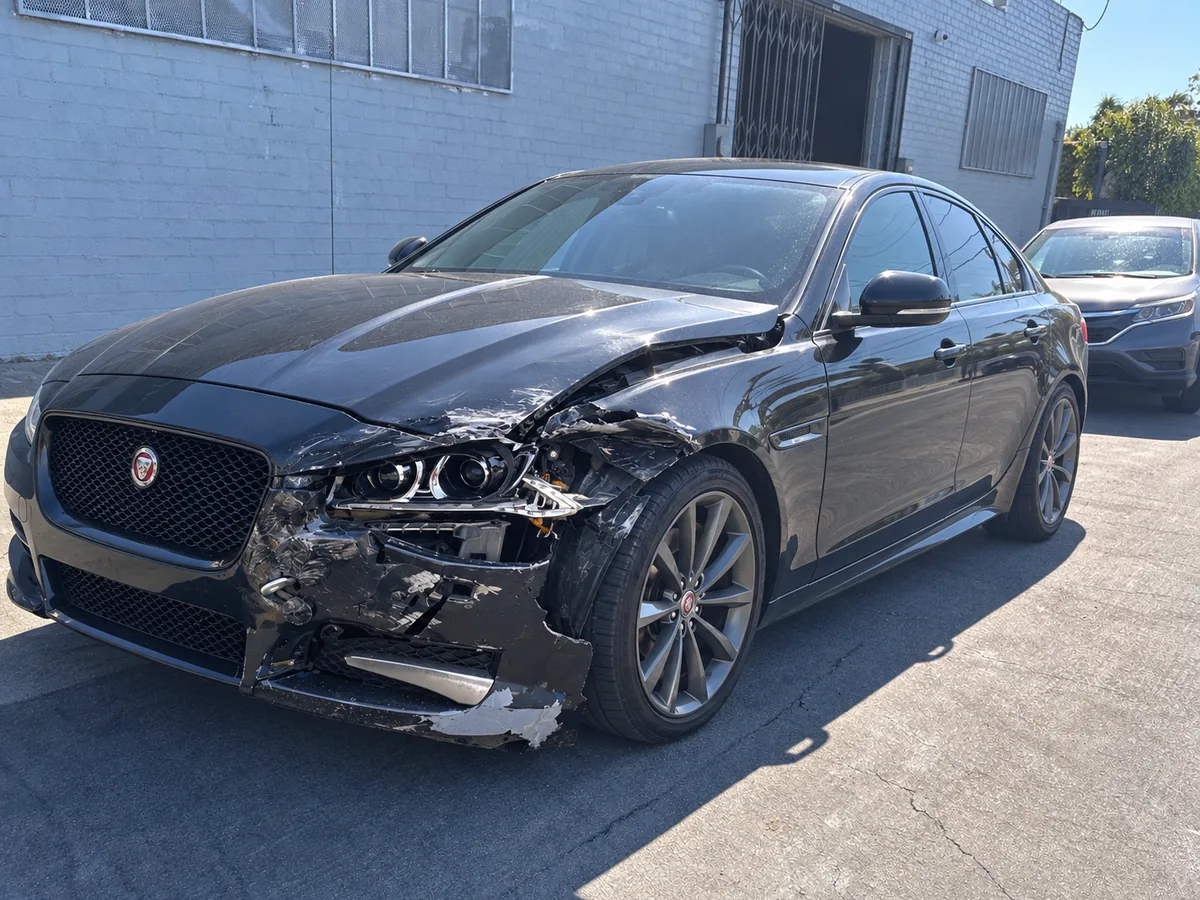
How Aluminum Auto Body Repair Works
Aluminum repairs require tools and procedures suited to the damaged component. We establish the repair method before straightening, replacing, or refinishing an affected panel.
Aluminum Panel Restoration
Suitable dents and creases may be repaired using aluminum-specific metalworking techniques.
Panel Replacement
When damage exceeds the permitted repair limits, we identify the correct replacement parts and attachment procedures.
Paint and Finishing
Our technicians prepare the repaired surface, apply suitable protective materials, and refinish the panel using a computerized color-matching system.
Aluminum Repair vs. Steel Bodywork
Aluminum responds differently to reshaping and heat. Repair methods depend on the material grade, panel construction, and manufacturer's instructions.
We assess these requirements before carrying out aluminum collision repair, rather than applying conventional steel-panel techniques.
Aluminum Welding, Rivets, and Adhesives
Aluminum body components may require rivets, structural adhesives, welding, or combined joining methods. We check the vehicle manufacturer's procedures and confirm the required equipment before accepting repairs involving these operations.
Corrosion Protection and Material Separation
Steel particles can contaminate aluminum repair surfaces and contribute to corrosion. Appropriate tool separation, surface preparation, and corrosion protection are important parts of aluminum bodywork.
What Affects Aluminum Repair Cost and Timing
The estimate depends on:
- The aluminum components and damage severity.
- Panel repair versus replacement.
- Required joining methods and equipment.
- Parts availability and refinishing.
- Additional body or structural damage.
We'll explain the proposed repairs and expected schedule after inspecting your vehicle.
 (310) 880-7575