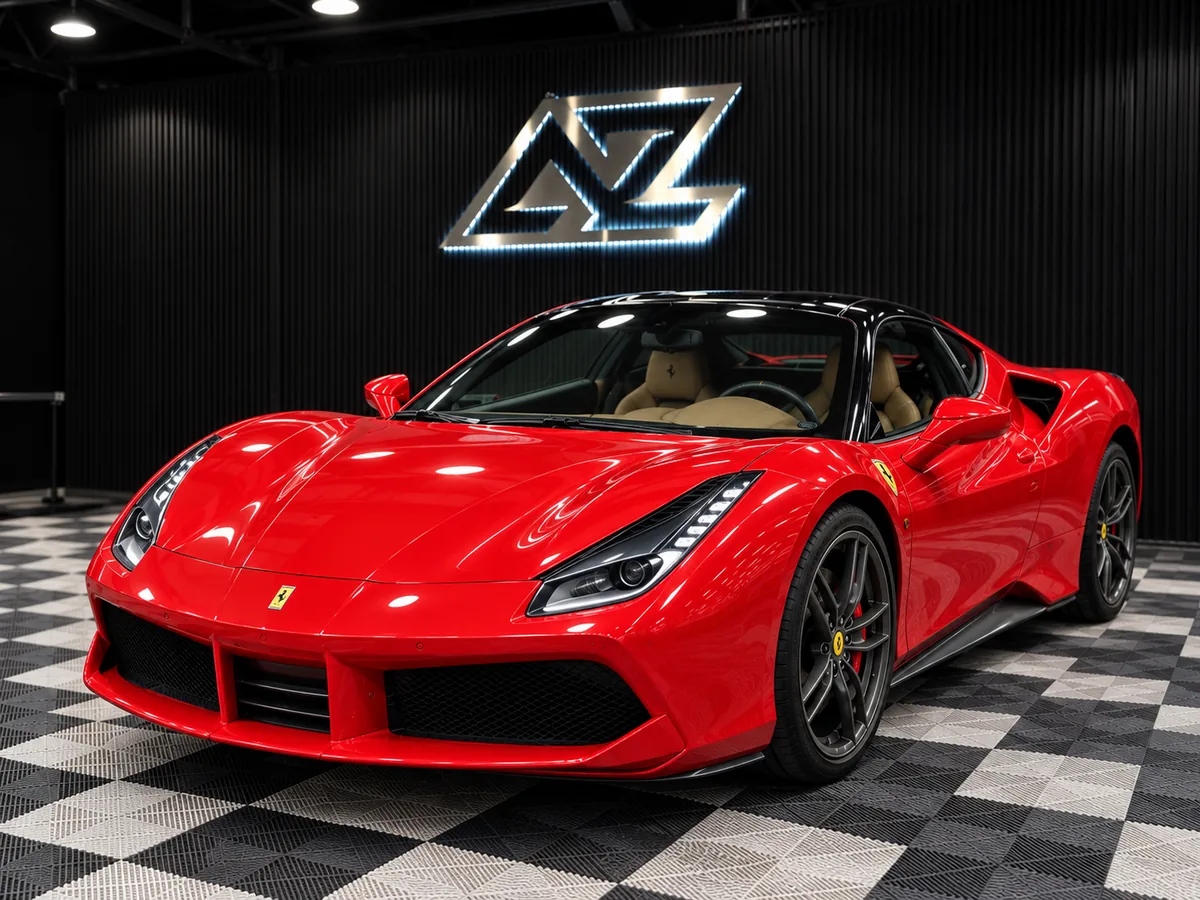
What Goes Into a Wrap, PPF or Tint Installation?
The quality of a film installation depends on the vehicle's condition, the areas being covered, and the installation requirements of the selected material.
Vinyl Wraps Around Body Lines
Bumpers, door handles, mirrors, and curved panels require careful film positioning and edge finishing. We assess these areas when planning full wraps and partial color changes.
PPF Coverage and Film Edges
Front bumpers, hood edges, mirror caps, and fenders are common areas to protect. We review the coverage pattern with you so you know exactly which painted surfaces will receive film.
Window Film Installation
Window shape, existing tint, seals, and rear-window defroster elements can affect installation. We check the glass and selected film before beginning the work.
Vinyl Wrap or Color PPF: Which Should You Choose?
If changing your car's appearance is the main goal, a vinyl wrap offers a wide selection of colors and textures. Consider color PPF when you want a new finish with extra protection against common road-related paint damage.
Vinyl is typically the more appearance-focused choice, while color PPF combines styling with additional protection against minor road damage. Material cost, available finishes, thickness, and maintenance requirements also differ. We'll compare the options for your vehicle and explain the coverage included in each estimate.
Preparing Your Car for a Wrap or PPF
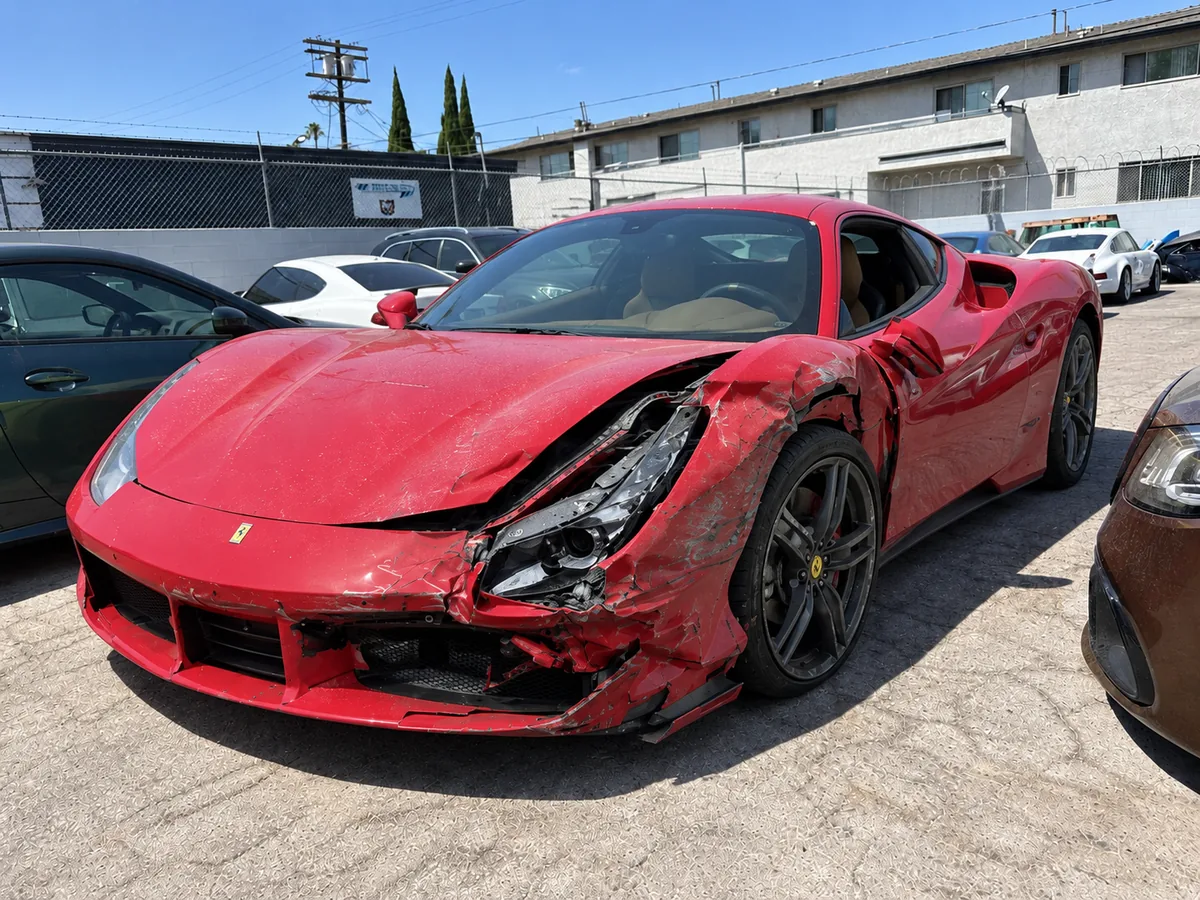
Film installation requires a sound, properly prepared surface. Deep scratches, peeling clearcoat, corrosion, and poorly bonded previous paint repairs can affect adhesion and later film removal.
Our collision repair and refinishing services allow us to assess damaged bodywork before customization. Freshly painted panels may also need additional curing time before film application, depending on the paint system and installation requirements.
California Window Tint Requirements
California restricts aftermarket tint on windshields and front side windows, with limited exceptions for qualifying transparent UV-reducing films. Rear-window tint has separate requirements, including the vehicle's exterior mirrors.
We review the intended installation and applicable restrictions before recommending a ceramic film. Film darkness and heat rejection are different characteristics, so you can compare solar protection without choosing a darker appearance solely for that purpose.
Caring for Wraps, PPF and Window Tint
Freshly installed films may require a short curing period and specific cleaning precautions. Your installer will explain when to wash the vehicle, which products to avoid, and how to care for film edges.
Vinyl wraps and PPF are designed to be removable, but removal results depend on the film's age, the condition of the underlying paint, and the removal procedure. Existing paint damage should be assessed before installation.
What Affects Wrap, Tint and PPF Cost and Timing?
Your estimate depends on:
- Vehicle size, body shape, and number of panels.
- Selected vinyl, PPF, or ceramic window film.
- Full versus partial coverage.
- Paint preparation and removal of existing materials.
- Custom graphics and installation complexity.
- Material availability and curing requirements.
We'll confirm the work included, estimated cost, and installation schedule before you approve your project.
 (310) 880-7575